Lipids
Lipids are organic compounds of carbon, hydrogen, and oxygen. They provide the body with energy. One gram of lipids provides nine kilocalories of energy, more than twice the amount provided by carbohydrates or proteins. Lipids have several other functions as well..
The term fat is often used interchangeably with the term lipid, but fats are actually a particular type of lipid, called triglycerides, in which three fatty acids are bound to a compound called glycerol. Fats are important in the body. They are the main form in which the body stores energy. Stored body fat is called adipose tissue.
Lipids are organic compounds of carbon, hydrogen, and oxygen. They provide the body with energy. One gram of lipids provides nine kilocalories of energy, more than twice the amount provided by carbohydrates or proteins. Lipids have several other functions as well..

The term fat is often used interchangeably with the term lipid, but fats are actually a particular type of lipid, called triglycerides, in which three fatty acids are bound to a compound called glycerol. Fats are important in the body. They are the main form in which the body stores energy. Stored body fat is called adipose tissue.
Although lipids and fats are necessary for life, they may be harmful if they are present in the blood at high levels. Both triglycerides and the lipid called cholesterol are known to damage blood vessels if their concentrations in the blood are too high. By damaging blood vessels, triglycerides and cholesterol also increase the risk of heart disease.
Fats are classified as either saturated fats or unsaturated fats. This classification is based on the type of fatty acids.
• Saturated fats.They have saturated fatty acids. Their amount in the diet should be kept as low as possible. If consumed in excess, they contribute to high blood levels of cholesterol and triglycerides. Saturated fats are found in animal foods, such as butter and lard. They are solid or semisolid at room temperature.
• Unsaturated fats. They have unsaturated fatty acids. Eaten in appropriate amounts, they may help lower blood levels of cholesterol and triglycerides and decrease the risk of cardiovascular disease. They are found mainly in plant foods, such as olive oil and sunflower oil, and in saltwater fish .They are liquid at room temperature.
The human body can synthesize all but two of the fatty acids it needs: omega-3 fatty acids and omega-6 fatty acids. Both are unsaturated fatty acids. They are called essential fatty acids because they must be present in the diet. They are found in salmon, vegetable oil, flaxseed, eggs, and whole grains.
Unsaturated fatty acids known as trans fatty acids (or trans fats), are manufactured from plant oils and do not occur naturally. They are added to foods to extend their shelf life. Trans fats have properties like saturated fats and may increase risk of cardiovascular disease. They should be avoided in balanced eating.
Water
You may not think of water as a food, but it is a nutrient. Water is essential to life because it is the substance within which all the chemical reactions of life take place. An adult can survive only a few days without water.
Fats are classified as either saturated fats or unsaturated fats. This classification is based on the type of fatty acids.
• Saturated fats.They have saturated fatty acids. Their amount in the diet should be kept as low as possible. If consumed in excess, they contribute to high blood levels of cholesterol and triglycerides. Saturated fats are found in animal foods, such as butter and lard. They are solid or semisolid at room temperature.
• Unsaturated fats. They have unsaturated fatty acids. Eaten in appropriate amounts, they may help lower blood levels of cholesterol and triglycerides and decrease the risk of cardiovascular disease. They are found mainly in plant foods, such as olive oil and sunflower oil, and in saltwater fish .They are liquid at room temperature.
The human body can synthesize all but two of the fatty acids it needs: omega-3 fatty acids and omega-6 fatty acids. Both are unsaturated fatty acids. They are called essential fatty acids because they must be present in the diet. They are found in salmon, vegetable oil, flaxseed, eggs, and whole grains.
Unsaturated fatty acids known as trans fatty acids (or trans fats), are manufactured from plant oils and do not occur naturally. They are added to foods to extend their shelf life. Trans fats have properties like saturated fats and may increase risk of cardiovascular disease. They should be avoided in balanced eating.
Water
You may not think of water as a food, but it is a nutrient. Water is essential to life because it is the substance within which all the chemical reactions of life take place. An adult can survive only a few days without water.
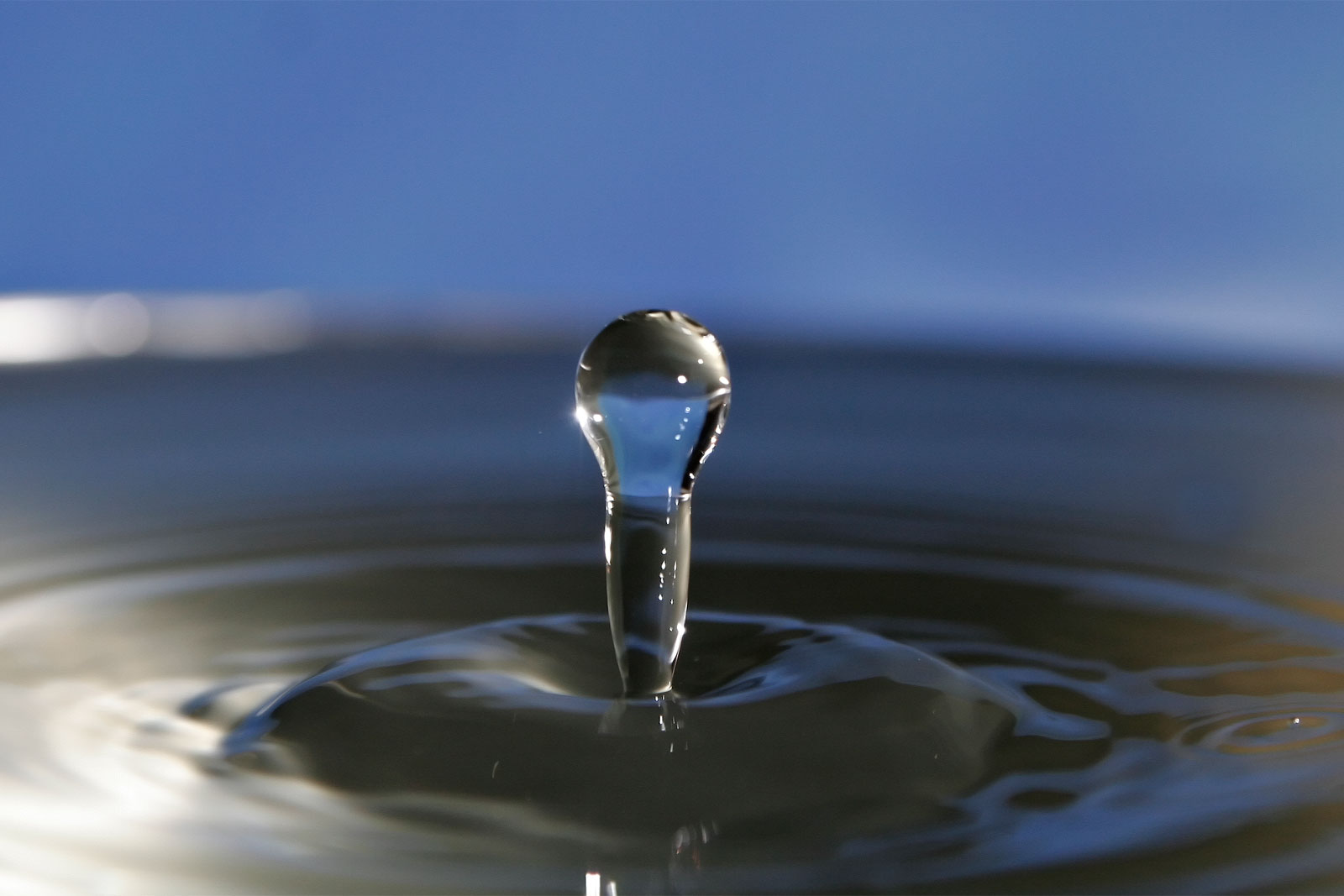
Water is lost from the body in exhaled air, sweat, and urine. Dehydration occurs when a person does not take in enough water to replace the water that is lost. Symptoms of dehydration include headaches, low blood pressure, and dizziness. If dehydration continues, it can quickly lead to unconsciousness and even death. When you are very active, particularly in the heat, you can lose a great deal of water in sweat. To avoid dehydration, you should drink extra fluids before, during, and after exercise.


